
A new consumer survey by Circana has found that 41 percent of surveyed gamers play on a console because of its exclusive games.
Circana, an American market research company, has been analyzing the video game industry for some time. This statistic comes from its Q1 Future of Video Games consumer survey, in which those surveyed were: “2,500 active US video game players aged 13+, weighted based on representative distribution of platform use and investment,” per Circana’s Mat Pisc atella
In this survey, gamers were asked why they played games on a console. 41 percent responded that exclusive games were the reason they chose that platform, while 38 percent responded having friends/family also playing on the same console ecosystem was a reason to stay attached to one particular console. It being easier to play with friends and family on a console came in third place at 37 percent, while preferring to play video games in a more casual environment (like a living room) was a reason for 36 percent. Finally, more options to buy physical games on consoles was a reason for a respectable 24 percent of those surveyed.
These stats on their own are interesting, but additionally so are the changes in percentage from Q1, 2025. Console exclusives, while the leading reason in 2026’s survey, saw an eight point decrease compared to last year. Meanwhile, preferring to play in a social setting saw a decrease of four points.
https://bsky.app/profile/matpiscatella.bsky.social/post/3mkiet3jw2s27
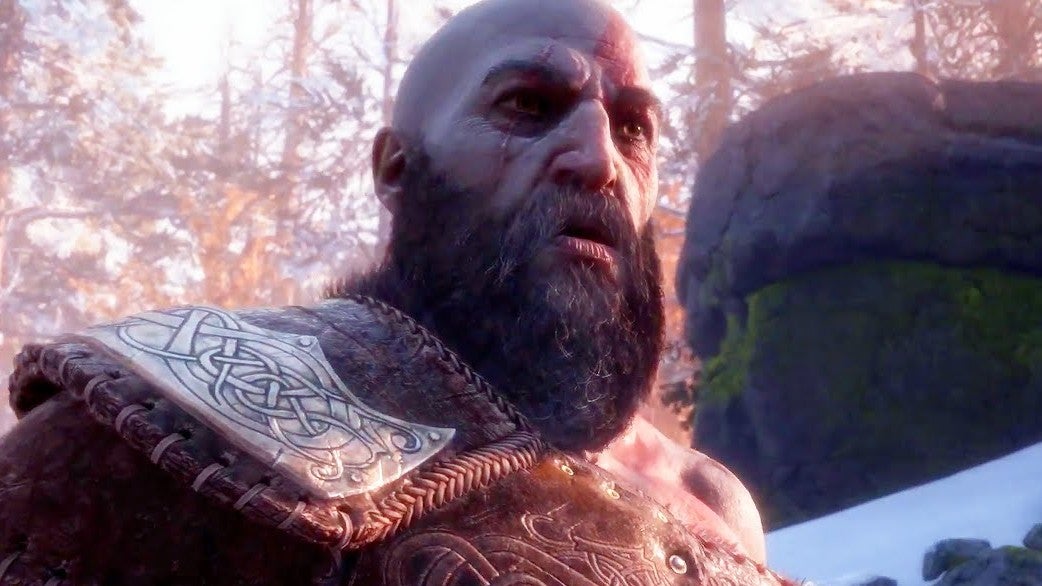
That being said, exclusives are a driver of hardware sales, as Chris Dring at The Game Business points out in a recent article: “In November 2022, with the release of God of War Ragnarok, PS5 saw a significant spike in sales in Japan and the UK. During the week of release, PS5 sales jumped 116 percent in Japan (Famitsu data). Meanwhile in the UK, 38 percent of all PS5s sold that month were of the God of War Ragnarok hardware bundle (Nielsen IQ data)” This is more true for some consoles than others, with the Switch 2 being driven largely by exclusives.
So it’s not as simple as one interesting statistic telling the totality of consumer trends at a tumultuous time for the video game industry. It does, however, point to a continued change in consumer behavior. Exclusives are clearly important for a sizable chunk of console gamers, but if that’s lessening over time while legacy live service games remain dominant, what does that mean for the future?